.webp)
Haunted Heist Tips & Guides: How to Survive, Steal Gems, and Outsmart Tricksters
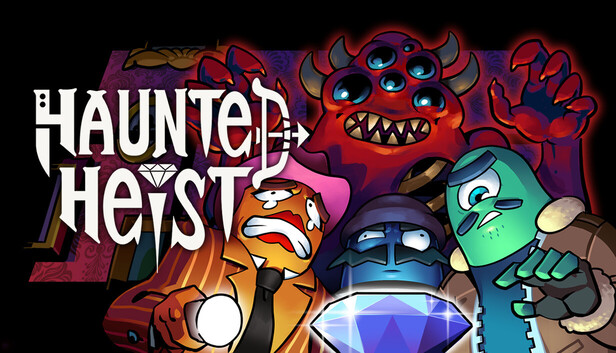
Haunted Heist is an asymmetrical multiplayer horror party game that combines teamwork, stealth, combat, deception, and chaotic encounters inside a haunted mansion. One team plays as Heisters, searching for valuable gems and returning them to a safe room before time runs out. The opposing team, known as Tricksters, uses supernatural abilities and psychological tricks to disrupt the robbery and protect the mansion. Procedurally generated layouts make every round a fresh challenge, so memorizing one route is rarely enough to guarantee success.
Winning requires more than moving quickly or using every available ability as soon as possible. Heisters need to manage their resources, communicate their discoveries, and decide when to explore or regroup. Tricksters must understand the opposing team’s priorities, exploit moments of confusion, and coordinate their abilities to create effective ambushes. This Haunted Heist tips and guides article covers the fundamentals, from preparing for a match to refining advanced strategies, helping new players and experienced groups make smarter decisions.
1. Understand the Core Gameplay Before Your First Match
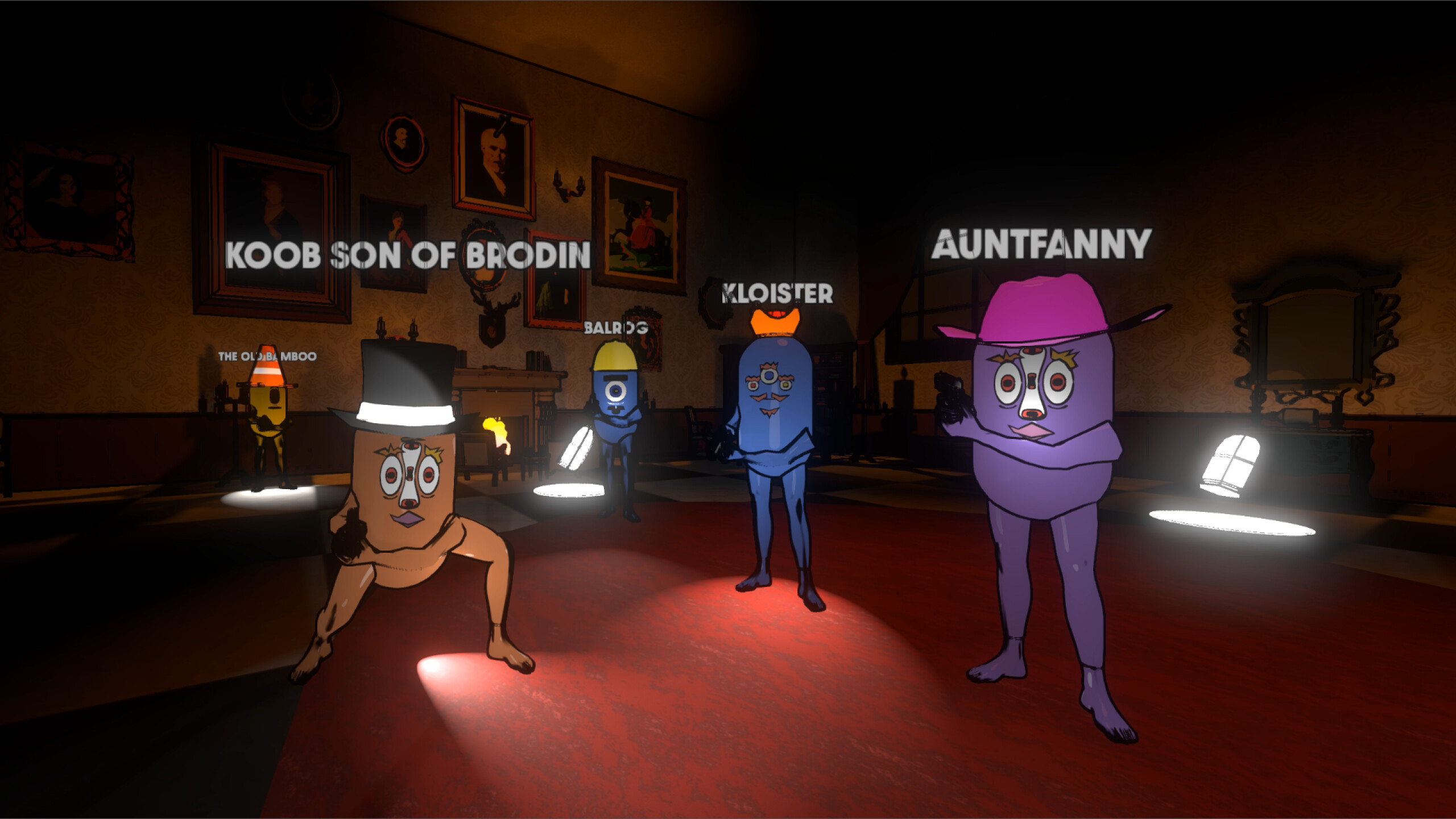
Before developing advanced strategies, learn what each team is trying to accomplish. Heisters work together to locate gems scattered throughout the mansion and carry them back to their safe room. They must complete their objective before the timer expires while avoiding elimination by the Tricksters. The Tricksters have the opposite priority: disrupt the robbery, frighten or attack the intruders, and prevent them from securing their loot. These opposing objectives create a constant contest between speed and control. Official game overview.
The most important lesson for beginners is that each team needs a different mindset. Heisters should think about routes, survival, resource management, and the safest way to transport gems. Tricksters should focus on information, deception, timing, and choosing the right moments to interfere. Playing both roles is useful because understanding the opposing team’s goals helps you anticipate its decisions.
Learn the Basic Match Priorities
For Heisters, the basic priorities are straightforward:
- Find gems and identify practical routes back to the safe room.
- Stay aware of teammates and communicate important discoveries.
- Preserve ammunition, flashlight battery, and other useful resources.
- Avoid unnecessary fights when escaping is the better option.
- Keep track of the remaining time and adjust your risk level accordingly.
Tricksters should approach each round differently. Instead of simply chasing the nearest player, they should look for opportunities to separate the group, waste the Heisters’ time, or interrupt a gem delivery. A well-timed disruption can be more valuable than a poorly planned attack.
Treat Every Round as a New Puzzle
The mansion uses procedural generation, which means layouts, routes, and hiding opportunities can change between matches. Rather than relying entirely on memorized directions, learn to recognize useful landmarks, intersections, and possible escape routes. This flexible approach helps you adapt when familiar rooms or corridors appear in unfamiliar combinations.
2. Prepare Your Team and Equipment Before Exploring
A successful round often begins with a clear plan. Before moving into the mansion, establish a simple communication system with your teammates. Decide who will lead, who will watch the rear, and how the group will report gems, danger, and potential escape routes. These roles do not need to be permanent, but agreeing on them reduces confusion when the action becomes hectic.
Equipment also influences how safely you can explore. Heisters have access to tools such as handguns, flashlights, flares, and defibrillators, while power-ups can restore resources or improve equipment. Each tool serves a different purpose, so avoid treating every item as something to use immediately. Your goal is to have the right resource available when the situation becomes dangerous, not simply to empty your inventory as quickly as possible.
Establish a Simple Team Formation
A practical formation keeps players close enough to support one another without forcing everyone to occupy the same narrow corridor. One player can lead exploration, another can watch for threats, and the remaining players can collect loot or help secure the route home. Adapt these responsibilities to your group size and the current situation rather than following a rigid formation.
For a less experienced team, staying together is generally safer than spreading out across multiple unexplored areas. Experienced groups may experiment with separate routes, but splitting up should be a deliberate decision based on risk, available resources, and the amount of time remaining.
Check Your Resources Regularly
Before entering a dangerous area, consider whether your flashlight battery, ammunition, and support tools are sufficient for the trip. If the team is already running low, a short detour to find useful supplies may be more valuable than continuing toward another gem. However, detours also cost time and can expose you to ambushes, so evaluate the likely benefit before changing course.
A useful pre-exploration checklist includes:
- Confirm that everyone understands the objective.
- Share any information about the route or nearby threats.
- Check available equipment and resource levels.
- Identify a likely regrouping point.
- Agree on a basic response if a teammate is attacked or separated.
3. Explore the Mansion Efficiently and Navigate Changing Layouts
Exploration is essential for Heisters, but wandering without a plan can consume valuable time. Every unfamiliar corridor presents a choice: investigate for loot, continue toward a suspected objective, or return to a known route. Efficient players make these decisions based on what the team already knows instead of exploring every room simply because it is available.
Start by building a mental picture of the surrounding area. Pay attention to intersections, distinctive rooms, and routes that connect major spaces. When you find a useful landmark, communicate it clearly so teammates can navigate toward it without repeating the same exploration. Since the mansion can change between rounds, focus on understanding the current layout instead of expecting a familiar map to remain consistent.
Use Short, Purposeful Exploration Routes
A productive exploration route should connect several useful areas without creating unnecessary backtracking. For example, a team might investigate nearby rooms, check an adjoining corridor, and then return toward a known landmark before committing to a deeper section of the mansion. The ideal route depends on the layout, so avoid assuming that the longest path or the most direct path is always best.
When exploring, remember where you came from. Moving deeper into unfamiliar territory without tracking your return route can make retreat difficult, especially when a Trickster appears. Before entering a room with multiple exits, identify at least one route you could use to leave quickly if the situation changes.
Recognize When to Stop Exploring
Not every room deserves equal attention. If the team has already located useful loot and has a safe opportunity to return, continuing to search for extra rewards may create unnecessary danger. The closer the match gets to its deadline, the more valuable reliable progress becomes compared with uncertain discoveries.
A good rule is to reassess your route whenever something important changes: a teammate is attacked, resources become scarce, a gem is secured, or the remaining time becomes limited. Reconsidering your plan is not a sign of indecision. It is how you prevent a promising run from turning into a desperate retreat.
4. Collect Gems and Return Them Without Wasting Time
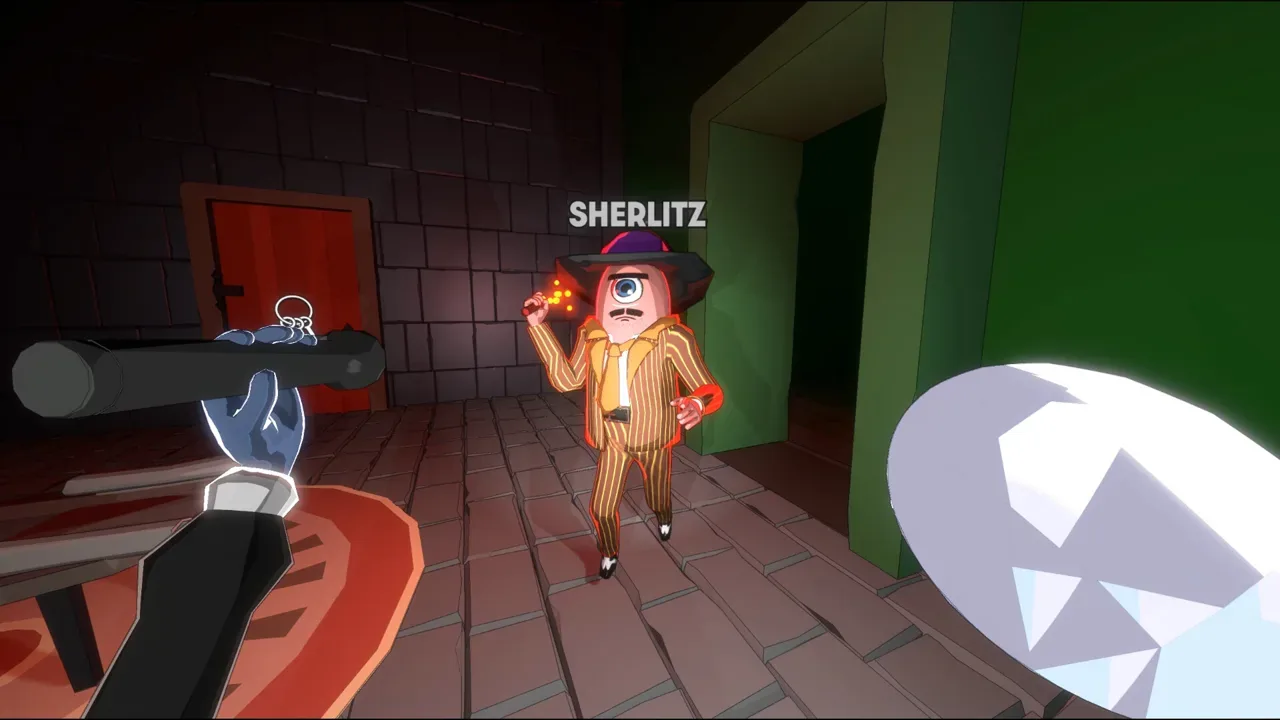
Finding gems is only part of the Heisters’ objective. The team must also bring them back to its safe room before the round ends. This makes transportation and survival just as important as discovery. A team that finds valuable loot but cannot secure it has not managed its objective effectively.
Think of each gem run as a complete journey rather than a one-way expedition. Before committing to a distant area, consider how difficult the return trip might be, whether teammates can provide support, and whether the current route exposes the group to predictable ambushes. These questions help you choose opportunities that are realistic instead of pursuing every possible reward.
Plan the Return Trip Early
Once the team has secured a gem, start thinking about the journey home. Identify the most practical route based on the current layout and any known threats. If the original path becomes dangerous, use your knowledge of nearby landmarks to consider an alternative rather than automatically pushing through the same corridor.
Communication becomes especially important during the return. Tell teammates when you are heading back, where you expect to pass, and whether you need assistance. A clear callout gives the group a chance to prepare for danger or provide support instead of discovering the problem after a teammate has already been isolated.
Balance Greed Against Survival
It is tempting to collect one more gem before returning, particularly when the team is close to reaching its goal. However, additional exploration increases exposure to the Tricksters and can consume the remaining time. The right decision depends on the state of the match, the team's equipment, and how safely everyone can travel.
Use these questions to judge whether another detour is worthwhile:
- Is the next objective close enough to reach and return from safely?
- Are teammates healthy and equipped for another encounter?
- Is the return route still practical?
- Would a failed detour put the team's existing progress at risk?
- How much time remains for the full journey?
If the answers suggest that the additional reward is too risky, secure the progress you already have. Consistent deliveries are usually a better foundation for victory than repeatedly gambling everything on a final search.
5. Manage Flashlights, Ammunition, and Support Tools
Resource management is one of the most important skills for surviving as a Heister. A flashlight can help you navigate dark spaces, but battery limitations mean it should not be treated as an unlimited source of visibility. Handgun ammunition is valuable when an encounter becomes unavoidable, while flares and other tools can help the team respond to specific situations. Defibrillators can also be important when a teammate needs assistance, making it sensible to think about team support as well as personal survival.
The challenge is not simply to conserve everything. Resources exist to help you complete the heist, so saving them indefinitely can be just as harmful as wasting them. Instead, match your equipment use to the level of danger. A dark and unfamiliar corridor may justify using your flashlight, while a well-understood route may allow you to preserve battery for a more difficult section.
Use Equipment With a Purpose
Before using a tool, ask what problem it solves. A flare may be valuable in a dangerous moment, but using it without considering the situation can leave you without an option when you need one more. Similarly, ammunition should be spent thoughtfully rather than wasted on uncertain encounters that could be avoided.
Keep the following principles in mind:
- Use light when visibility materially affects navigation or safety.
- Avoid firing without a clear reason.
- Preserve support equipment when a teammate may need it later.
- Collect power-ups when the potential benefit justifies the detour.
- Tell the team when an important resource is depleted or unavailable.
Adapt When Supplies Become Scarce
If your team is running low on battery or ammunition, change the way you move through the mansion. Reduce unnecessary exploration, rely more heavily on communication, and avoid confrontations that do not help complete the objective. A team with limited supplies should prioritize a safe route and a clear purpose for every encounter.
Resource shortages should also influence your risk assessment. A route that seemed reasonable when everyone was fully equipped may become dangerous when the team has little capacity to respond. Recognizing this change early gives you more options than waiting until an emergency forces you to retreat.
6. Communicate Clearly and Use Proximity Chat Wisely
Communication can turn a group of individual players into an effective team. Haunted Heist features proximity chat, allowing players to communicate within the game world. This can make coordination feel natural, but it also means conversations happen in a setting where distance, confusion, and deception can affect what players hear. The official game description highlights communication and teamwork as key elements of the Heisters’ survival. Haunted Heist on Steam.
Keep messages short when danger is nearby. Instead of delivering a long explanation, give teammates the information they need immediately: where the threat appeared, which direction it moved, where the group should regroup, or whether someone needs help. After the danger passes, you can discuss a longer plan. Clear communication reduces duplicated exploration and prevents teammates from making conflicting decisions.
Make Callouts Specific
Vague messages such as “over here” or “something is happening” are difficult to act on, particularly in a large mansion. Use landmarks and directions whenever possible. If you cannot identify a room by name, describe its position relative to a known intersection or route.
Useful callouts include:
- Location: Identify the room, corridor, or nearby landmark.
- Threat: Describe what you saw and whether it is approaching.
- Action: Explain whether the team should retreat, regroup, or continue.
- Resources: Report when an important tool is unavailable.
- Objective: Confirm when a gem has been found or returned.
Recognize That Communication Can Be Manipulated
Tricksters can use abilities such as player muting, voice swapping, disguises, and voice modulation to confuse their opponents. This makes it important to verify unusual information before acting on it. A familiar voice or convincing instruction should not automatically override what your team can see and confirm.
If a teammate gives a suspicious instruction, cross-check it through another communication channel or ask for a detail that only the real teammate is likely to know. Avoid turning every conversation into an interrogation, though. The goal is to stay alert without making teamwork impossible.
7. Play as a Trickster: Deception, Ambushes, and Timing
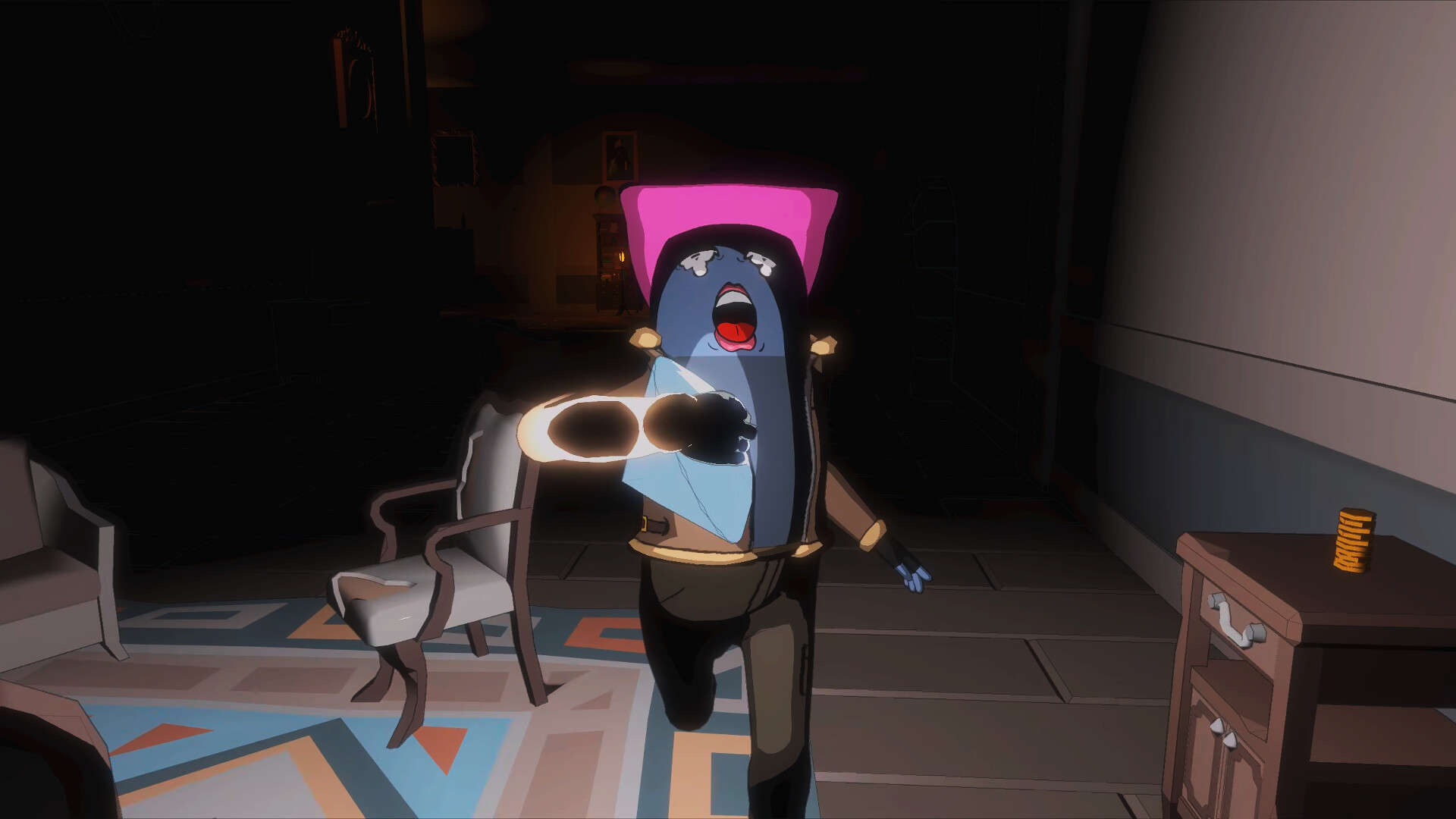
Playing as a Trickster requires a different approach from the Heisters’ objective-driven exploration. Your job is to disrupt the robbery, protect the mansion, and prevent the opposing team from completing its gem deliveries. Rather than chasing every visible player, look for moments when the Heisters are vulnerable: when they are separated, distracted by loot, moving through unfamiliar territory, or trying to return under time pressure.
Your supernatural abilities create opportunities to influence how opponents behave. Invisibility, disguises, night vision, voice manipulation, and other tools can create uncertainty, while cooldowns mean you must choose when to use them. A successful Trickster does not necessarily use the most abilities. The stronger strategy is to use the right ability at the right moment, then exploit the confusion it creates.
Build Pressure Before Committing
An ambush is more effective when it interrupts an important action. For example, disrupting a group while it is navigating a difficult route may create more problems than appearing when everyone is already safely positioned. Pay attention to the Heisters’ movements and look for opportunities to make them hesitate, change direction, or abandon a planned route.
Avoid committing to an attack without considering what happens next. If an ability gives you a temporary advantage, use that opportunity to disrupt the group and create further pressure. If the situation becomes unfavorable, preserve your options instead of repeatedly attempting the same approach.
Use Abilities to Create Confusion, Not Random Noise
Deception works best when it changes an opponent’s decision. A disguise may make a player hesitate before reacting, while voice manipulation can create uncertainty about who is speaking. These tools become less effective when used without a clear purpose or when the opposing team has enough time to verify what is happening.
Think about the result you want before activating an ability. Do you want to separate the group, delay a gem delivery, force players to waste time checking a corridor, or create an opportunity to attack? A clear objective helps you judge whether the ability is worth using and whether you should follow up immediately.
8. Master Cooldowns and Coordinate Trickster Abilities
Trickster abilities operate on cooldowns, so using them carelessly can leave you without a useful option during a critical encounter. Instead of activating every ability at the first opportunity, consider how the current situation may develop. An ability that creates confusion early in a chase might be more valuable a little later, when the Heisters have committed to a narrow route or are attempting to deliver a gem.
Cooldown management also encourages coordination. If several Tricksters are available in a match, acting independently can lead to wasted opportunities. When one player creates confusion, another may be able to take advantage of the distraction. The exact plan depends on the team composition and available abilities, but the general principle remains the same: coordinate pressure rather than producing unrelated interruptions.
Avoid Wasting Your Strongest Opportunities
A cooldown should be treated as a limited resource. Before using an ability, consider whether the target is important, whether teammates can support the play, and whether the Heisters are likely to escape before you can capitalize on the effect. If the ability does not improve your position or disrupt the enemy’s plan, waiting may be the smarter choice.
You should also avoid assuming that one successful trick guarantees an elimination. Opponents may react unpredictably, and a failed ambush can give them time to regroup. Be prepared to change your plan instead of repeating an approach that the Heisters have already learned to recognize.
Coordinate Without Overcomplicating the Plan
Simple coordination is often more practical than elaborate strategies that require perfect timing. Agree on which player will initiate pressure and which player will watch the likely escape route. Once the Heisters react, adjust according to their movement instead of following a script regardless of what happens.
For example, one Trickster might use deception to make a group pause or turn around while another pressures the route the group was trying to reach. This creates a choice for the Heisters and can slow their progress. The objective is not to guarantee a particular result but to make every decision more difficult for the opposing team.
9. Adapt to Different Team Sizes and Common Mistakes
Haunted Heist is designed as a multiplayer party experience, with matches involving teams of Heisters and Tricksters. Team size can change the pace of a round and the amount of coordination required. In a smaller group, each player's decisions may have a greater effect on the overall plan. In a larger group, teams may have more opportunities to divide responsibilities, but communication can also become more complicated.
Adapt your strategy to the players you have rather than forcing every group to use the same formation. A small, coordinated team may benefit from staying close and sharing resources. A larger, experienced group may experiment with controlled separation, provided everyone knows the objective and can communicate important information. Regardless of team size, uncontrolled wandering creates avoidable risks.
Avoid These Common Beginner Mistakes
Several habits can undermine a promising round:
- Exploring without a plan: Wandering wastes time and makes it harder for teammates to follow your progress.
- Ignoring the return journey: Finding a gem is not enough if the team cannot safely deliver it.
- Using resources too early: Spending ammunition or battery without a clear purpose can leave you unprepared later.
- Splitting up without coordination: Isolated players are harder to support and may struggle to regroup.
- Trusting every voice or instruction: Trickster abilities can manipulate communication, so verify suspicious information.
- Using abilities immediately: Poorly timed abilities may be unavailable when they would matter most.
- Ignoring the timer: A plan that is safe early in the match may become too risky near the deadline.
Learn From Each Round
After a match, identify one or two decisions that had the biggest effect on the result. Perhaps the team spent too long searching, failed to communicate a threat, or used an important ability before the opponents were vulnerable. Focus on understanding why the decision failed rather than blaming a teammate.
This review process is useful for both roles. Heisters can improve their route planning and resource management, while Tricksters can learn to recognize patterns in enemy movement and improve the timing of their abilities. Over several matches, small adjustments can make your team more consistent without requiring complicated tactics.
10. Develop an Advanced Strategy and Improve Over Time
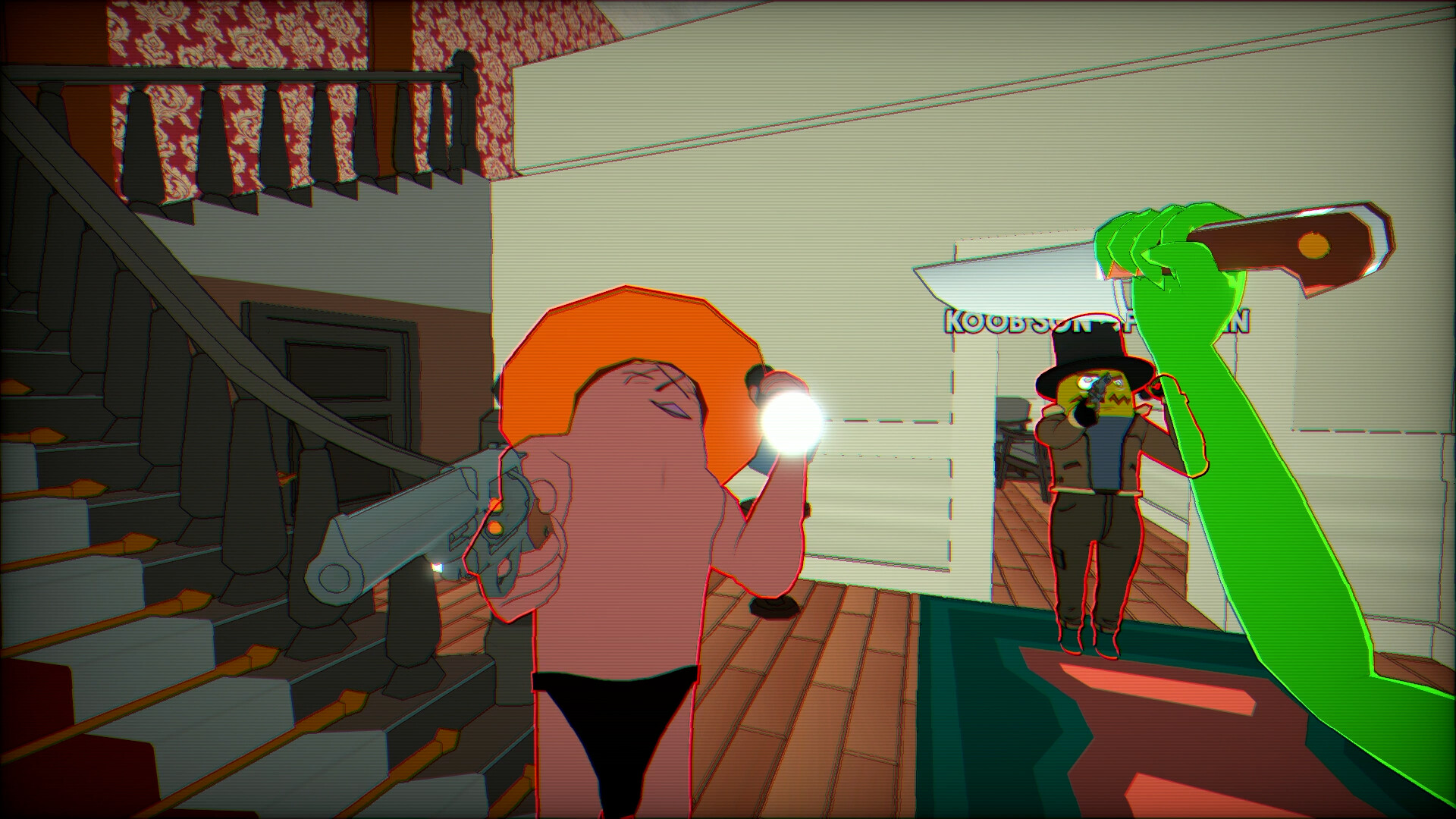
Once you understand the fundamentals, focus on making decisions based on the current state of the match. Strong players do not follow a plan blindly; they update it when the mansion layout, team condition, available resources, or enemy behavior changes. As a Heister, you should continually balance the value of another objective against the danger of delaying your return. As a Trickster, you should choose when to apply pressure based on the opposing team’s priorities rather than simply pursuing the nearest target.
It is also useful to practice one skill at a time. In one match, concentrate on making clearer callouts. In another, focus on tracking your route and reducing unnecessary backtracking. When playing Trickster, experiment with delaying an ability until it can interrupt a meaningful action. By isolating individual habits, you can understand what works and avoid changing too many variables at once.
Build a Repeatable Decision-Making Routine
A reliable routine helps you respond to pressure without becoming overwhelmed. Before a major decision, quickly check the objective, your resources, the location of teammates, and the time remaining. Then choose an action that addresses the most immediate problem. This simple process prevents you from pursuing loot when the team should retreat or wasting an ability when a better opportunity may be approaching.
Use this quick routine during a match:
- Check the objective: Determine whether you should collect, deliver, defend, or disrupt.
- Assess the danger: Identify nearby threats and the safest practical route.
- Check your resources: Consider whether you have the equipment needed for the next encounter.
- Communicate: Share the plan and confirm that teammates understand it.
- Act and reassess: Make your move, then update the plan when circumstances change.
Keep Your Strategy Flexible
No single tactic will work in every round because the mansion layout and opposing players can change how encounters unfold. A route that was safe in one match may become dangerous in another, while an ability that worked against one team may be less effective against opponents who communicate carefully. Flexibility is therefore more valuable than relying on a supposedly perfect strategy.
Most importantly, remember that Haunted Heist is designed around fast, unpredictable multiplayer encounters. Mistakes are part of the experience, and an unexpected setback can teach you something about navigation, teamwork, or timing. Experiment with different approaches, communicate with your group, and treat each match as an opportunity to refine your decisions.
Conclusion
Mastering Haunted Heist means understanding how exploration, resource management, teamwork, and deception fit together. Heisters need to locate gems, plan reliable return routes, preserve useful equipment, and communicate clearly while avoiding unnecessary risks. Tricksters must exploit uncertainty, choose effective moments to disrupt the opposing team, and manage their cooldowns carefully. Both sides benefit from adapting to changing layouts and learning from previous matches.
Start with the fundamentals before attempting complicated strategies. Keep your plans simple, use equipment with a purpose, and reassess your choices whenever the situation changes. Whether you are guiding a Heister crew toward a successful delivery or using Trickster abilities to protect the mansion, thoughtful decisions and good coordination will help you become a more effective player.