Fast Respawns, Slow Strategy: How Aggressive Mobility Design Reshapes Combat in Blood Strike
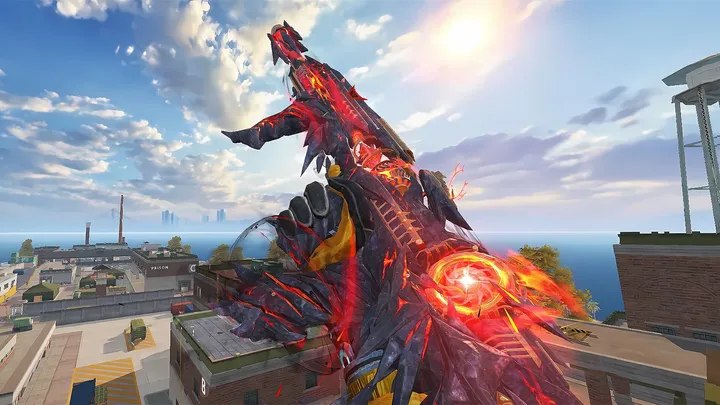
Blood Strike entered the competitive shooter market with a clear identity: fast-paced combat, aggressive movement systems, low hardware requirements, and rapid match flow. Developed by NetEase Games, the game positions itself between traditional tactical battle royales and arcade-style shooters.
Unlike slower survival-focused games, Blood Strike emphasizes constant engagement. Players slide aggressively across terrain, redeploy quickly after death, and chain mobility abilities together during firefights. Matches are designed to minimize downtime and maximize action frequency.
However, beneath this exciting pace lies a deeper structural issue: the dominance of aggressive mobility over strategic positioning. As movement mechanics become increasingly central to combat effectiveness, traditional tactical elements—map control, angle management, and long-term positioning—begin losing importance.
This article explores one specific issue in Blood Strike: how high-speed movement systems gradually compress strategic diversity, favoring hyper-aggressive playstyles while weakening defensive and tactical approaches.
1. The Foundation of Blood Strike’s Combat Philosophy
From the moment players enter their first match, Blood Strike communicates speed.
H3: Immediate Combat Access
The game reduces downtime through:
- Fast looting
- Quick redeployment
- Compact maps
- Rapid traversal systems
H4: Mobility as Identity
Players are encouraged to:
- Slide constantly
- Reposition aggressively
- Push fights immediately
Movement is not supplementary—it is the core combat language.
2. Sliding Mechanics and Combat Momentum
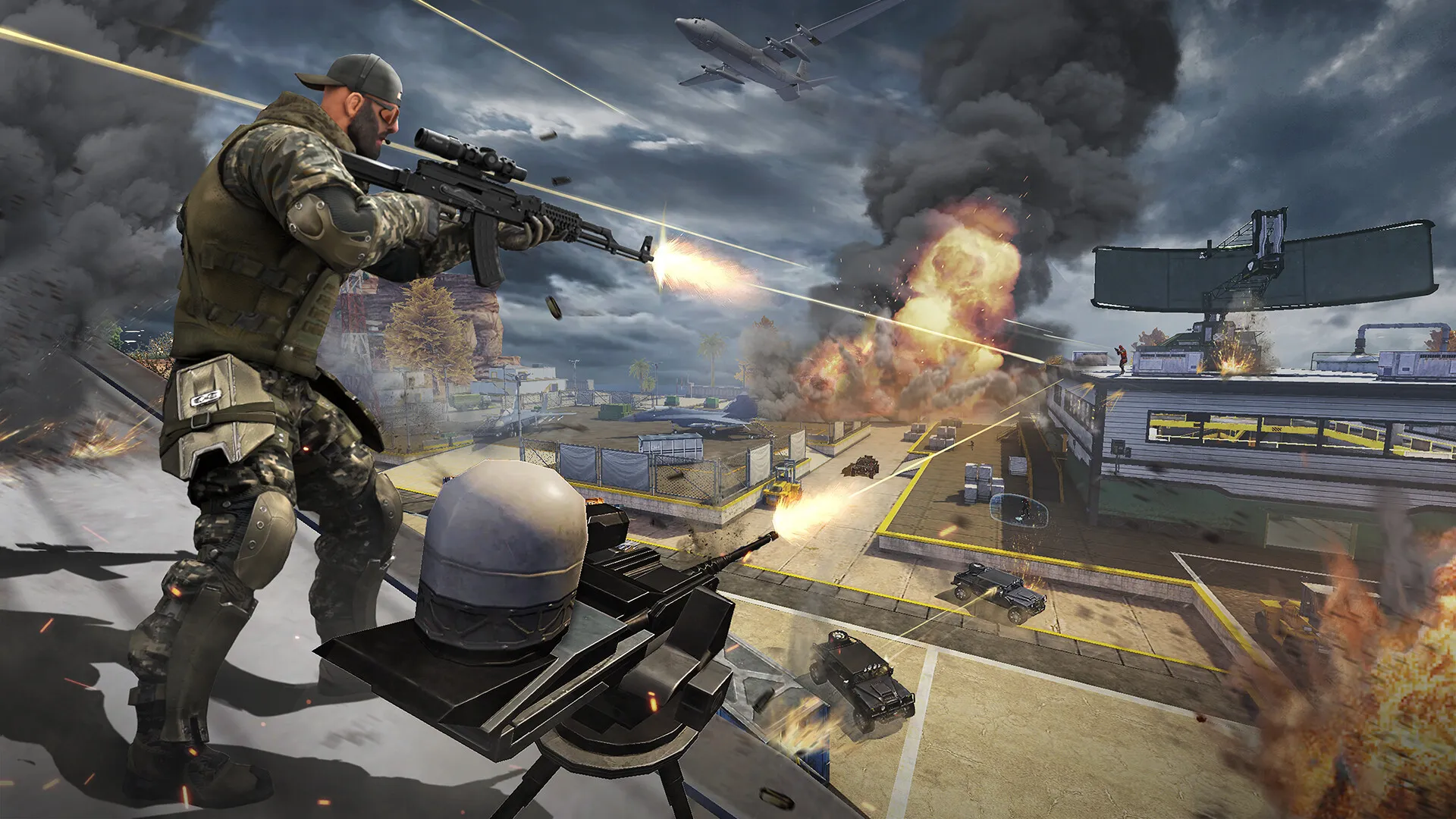
Sliding is one of the most important mechanics in Blood Strike.
H3: Offensive Utility
Sliding allows players to:
- Break enemy aim tracking
- Enter cover quickly
- Close distances aggressively
H4: Continuous Motion Advantage
Stationary players become easy targets.
As a result:
- Defensive holding weakens
- Static positioning becomes risky
- Combat rewards perpetual movement
The battlefield becomes unstable.
3. Mobility Skills and Character Design
Certain characters possess abilities that amplify movement even further.
H3: Ability-Driven Aggression
Mobility-focused abilities include:
- Dash mechanics
- Speed boosts
- Rapid reposition tools
- Escape mobility
H4: Combat Compression
These abilities shorten:
- Engagement distance
- Reaction windows
- Recovery opportunities
Fights resolve extremely quickly.
4. The Decline of Positional Strategy
Traditional battle royale games reward strong positioning.
Blood Strike weakens this principle significantly.
H3: Reduced Defensive Value
High ground and cover remain useful, but:
- Fast movement bypasses angles quickly
- Sliding reduces predictable trajectories
- Aggressive pushes overwhelm defenders rapidly
H4: Position Becomes Temporary
Instead of controlling territory long-term, players constantly rotate and pressure enemies.
Map control becomes fluid rather than stable.
5. Respawn Systems and Risk Reduction
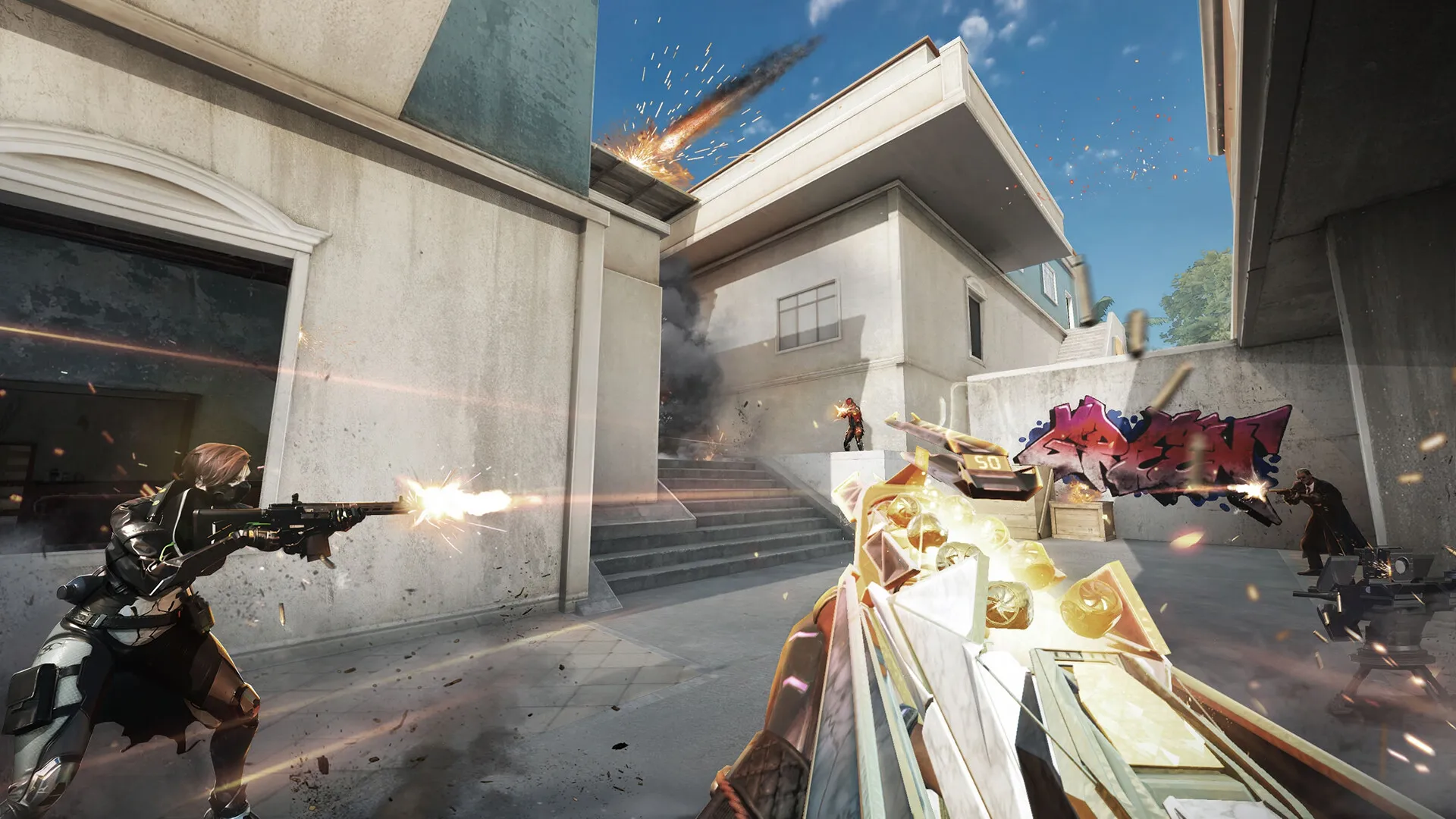
Blood Strike minimizes punishment for death through accessible respawn systems.
H3: Encouraging Constant Fighting
Because redeployment is frequent:
- Aggressive pushes carry lower consequences
- Reckless engagements become viable
H4: Strategic Patience Declines
Players are less motivated to:
- Scout carefully
- Preserve resources
- Avoid unnecessary fights
The game prioritizes momentum over survival discipline.
6. Weapon Balance and Mobility Synergy
Fast movement changes how weapons perform.
H3: Close-Range Dominance
Weapons benefiting from mobility include:
- SMGs
- Shotguns
- High fire-rate rifles
H4: Long-Range Suppression Weakens
Slower weapons struggle because:
- Targets reposition rapidly
- Tracking moving players becomes difficult
- Engagements collapse into close-range fights quickly
The meta shifts toward aggressive loadouts.
7. Team Coordination Under Speed Pressure
Squad play becomes more chaotic due to movement-heavy combat.
H3: Fragmented Engagements
Fast pushes often separate teammates unintentionally.
H4: Communication Compression
Teams must react instantly to:
- Sudden flanks
- Rapid collapses
- Constant repositioning
List – Common Squad Problems
- Overextending individually
- Losing sightlines on teammates
- Delayed support during pushes
- Disorganized retreats
Speed increases coordination difficulty.
8. The Psychological Effect of Constant Aggression
The game’s pacing alters player psychology.
H3: Momentum Dependency
Players become conditioned to:
- Seek constant engagements
- Avoid passive play
- Prioritize immediate action
H4: Reduced Tactical Reflection
Because fights occur rapidly:
- Decision-making windows shrink
- Strategic planning decreases
- Emotional reactions intensify
The game rewards instinct over calculation.
9. Spectator Appeal vs Competitive Depth
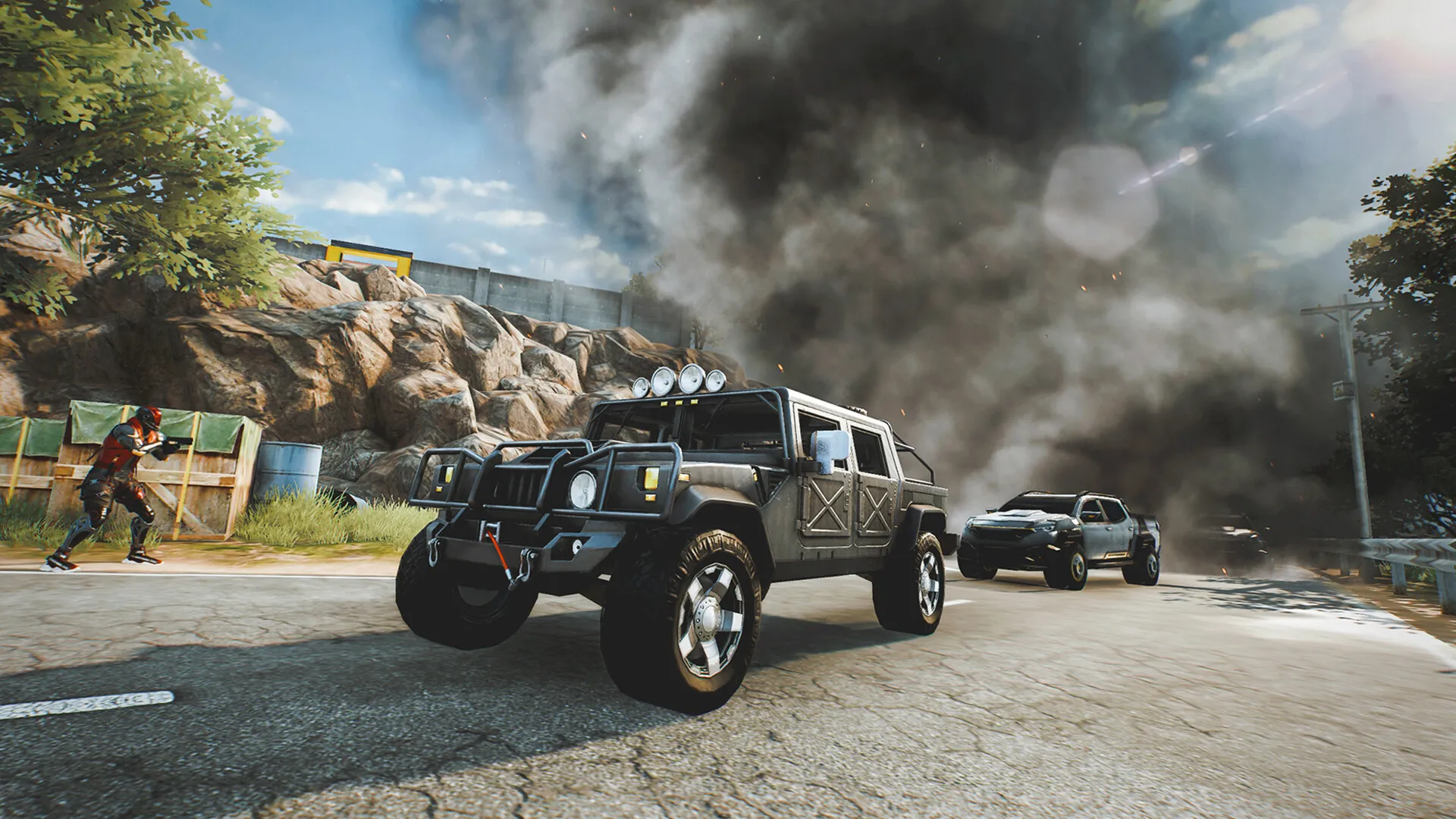
Blood Strike’s mobility systems create visually exciting gameplay.
H3: High Entertainment Value
Fast movement generates:
- Spectacular highlights
- Rapid kill chains
- Dynamic fights
H4: Strategic Clarity Suffers
However, excessive speed can:
- Reduce readable combat flow
- Obscure tactical positioning
- Shorten meaningful engagements
Viewers see excitement, but less strategic buildup.
10. The Core Design Conflict
Blood Strike faces a fundamental tension between:
- High-speed arcade action
- Tactical shooter depth
H3: Strengths of Mobility Design
The movement system:
- Keeps matches energetic
- Reduces downtime
- Encourages aggressive play
H4: Structural Weaknesses
However, it also:
- Compresses strategic diversity
- Weakens defensive playstyles
- Favors reaction speed excessively
List – Potential Balance Adjustments
- Longer cooldowns for mobility abilities
- Greater stamina limitations
- Stronger defensive utility tools
- Increased positional rewards
Balancing speed with tactical depth is essential for long-term competitive health.
Conclusion
Blood Strike succeeds in delivering a fast, exhilarating shooter experience built around movement and relentless combat. Its aggressive pacing distinguishes it from slower battle royales and makes it immediately accessible to players seeking constant action.
Yet the same mobility systems that create excitement also reshape the game’s strategic foundation. As sliding, dashing, and rapid repositioning dominate combat, traditional tactical elements lose influence. Positioning becomes temporary, patience becomes inefficient, and aggressive momentum overshadows long-term planning.
The challenge for Blood Strike is not slowing the game down entirely, but ensuring that speed does not eliminate strategic diversity. A healthy competitive shooter needs both movement mastery and positional intelligence.
Without that balance, mobility risks becoming not just a feature—but the only viable way to play.